This Is 25

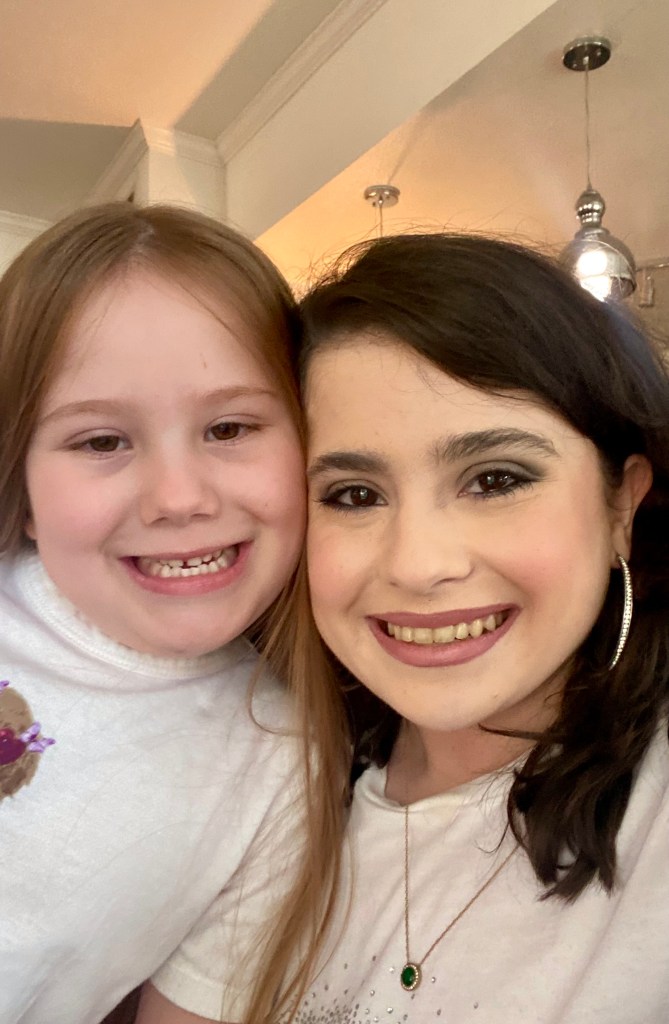
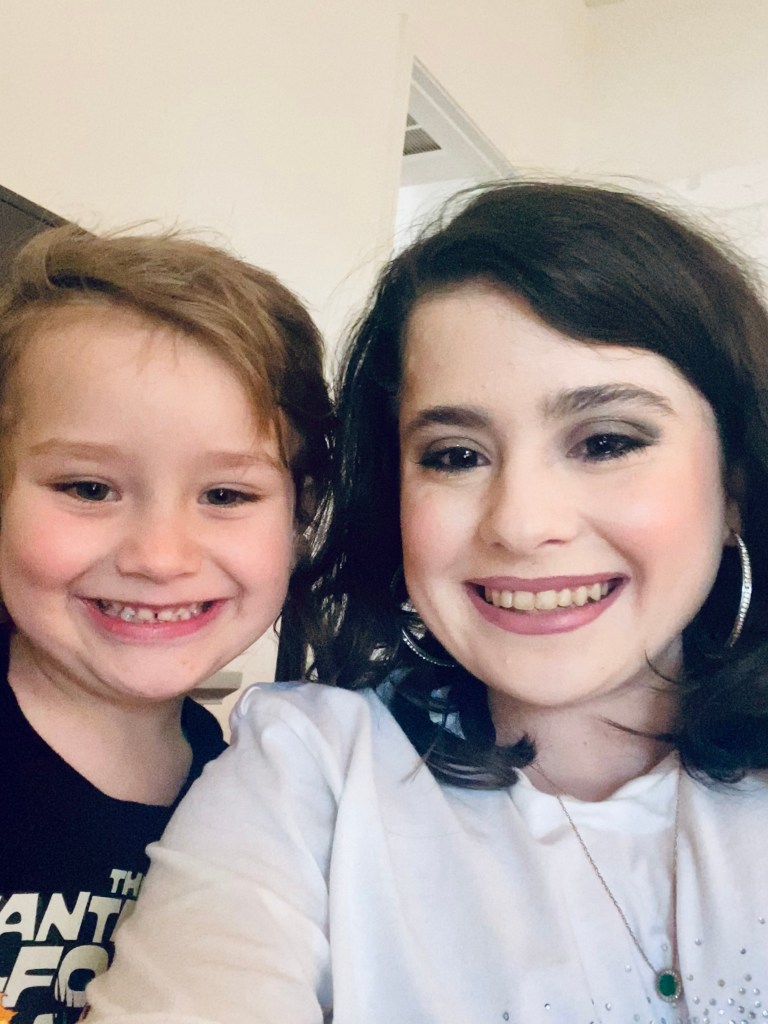
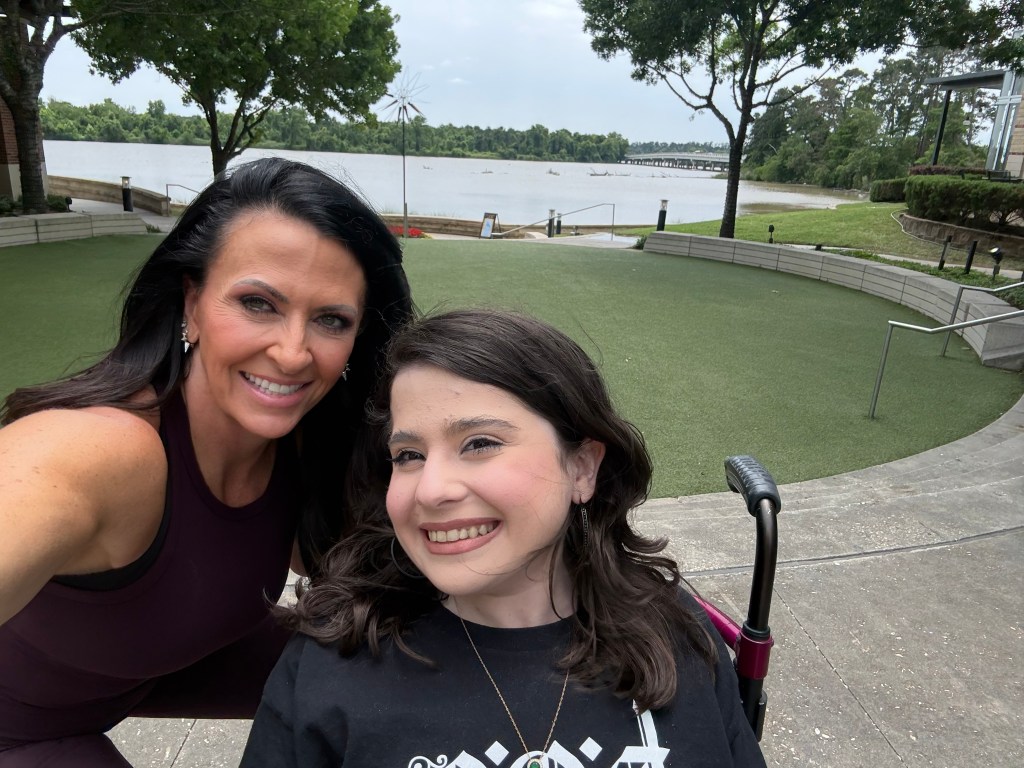
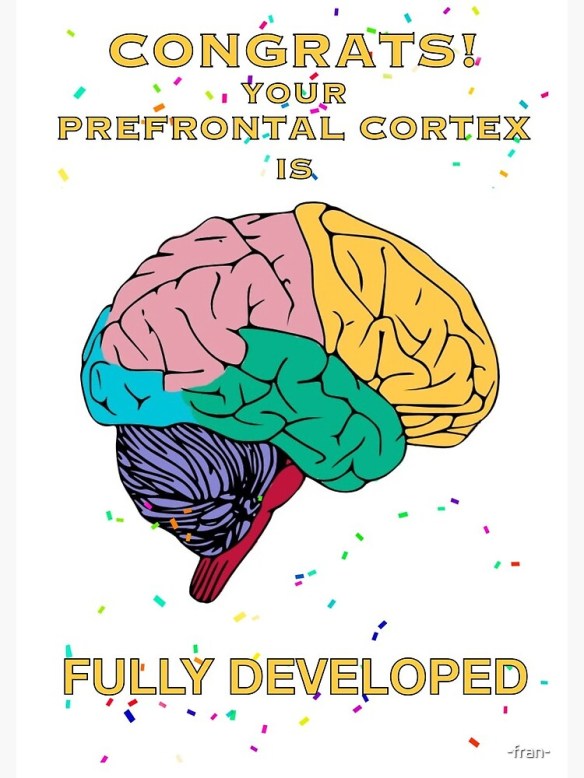
There’s a silly cultural reference and internet phenomena that claims the brain’s prefrontal cortex is considered “fully developed” by the age of 25. In society, 25 is often the age that you’re expected to have most things in life “all figured out” as a mature, settled down adult. But, a month into being a 25 year old myself—here’s what I’ve learned. 
It’s okay to not have everything exactly figured out right now. Life is full of constant evolution and unforeseen circumstances. So while we may wish to have full control and handle of our lives, because at this age that feels like the “responsible” thing to do, it’s okay to feel lost—as long as you don’t let your circumstances dictate your outlook on life and overall mindset. From a young age, I’ve known firsthand that while you cannot control your circumstances, you can choose to make the best out every situation. In a day and age where it’s easy to compare yourself to everyone else you see posting their seemingly “perfect” lives on social media, it’s important to realize your journey is your own, and there’s no “correct” way to navigate this world we all live in. 

So for me, 25 is finding joy in the small things. Looking around a room, at a dinner table, surrounded by your loved ones, and feeling immense gratitude. It is rediscovering the things that used to make you happy and provide comfort in your youth, such as the movies or music you used to play, and feeling that same sense of joy all over again.

25 is feeling soul-crushing nostalgia in childhood photographs or home videos—realizing you are looking at a moment in time that you cannot get back, and still feeling content, knowing now that you’re exactly where you are meant to be, and that everything that happens in one’s life can either shape you, or break you. It is realizing how far you’ve come and how much farther you have, still, to go. 

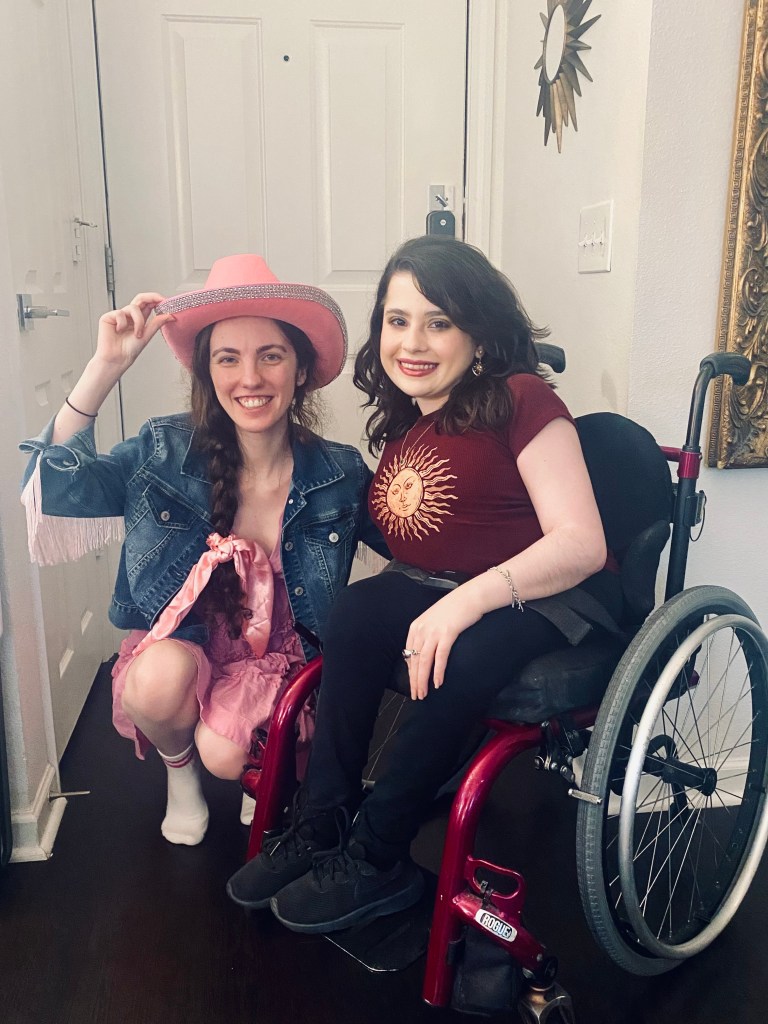
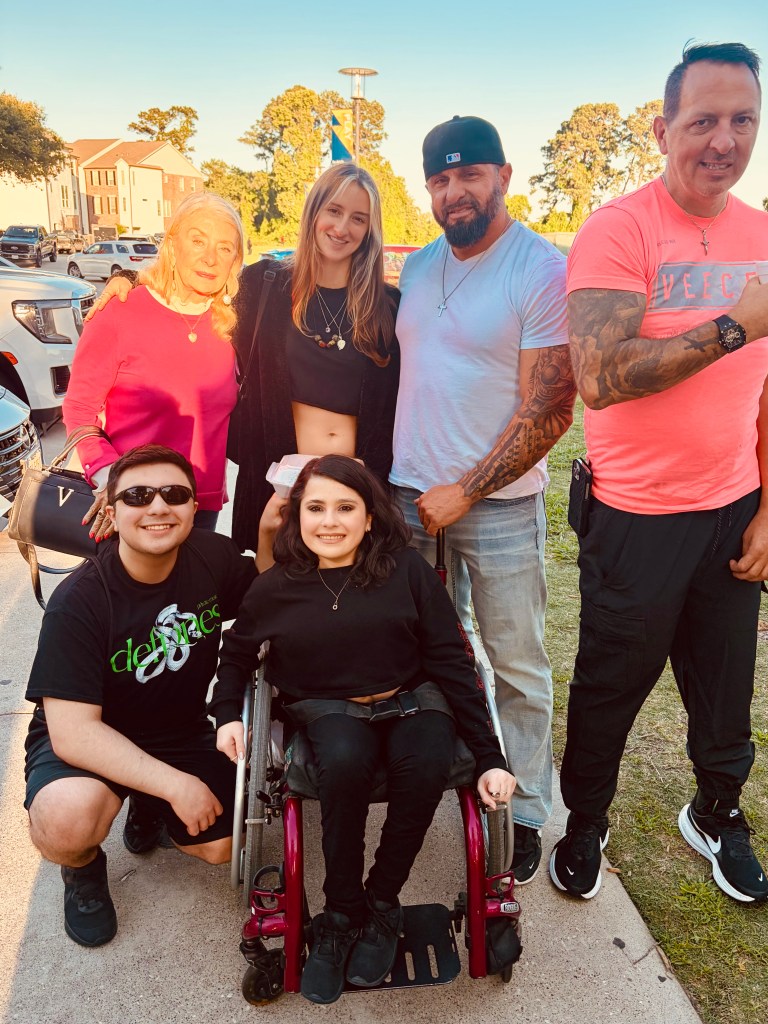
For me, 25 was about making a nearly week-long spectacle of my birthday, not out of conceit, but purely from a place of gratitude for life, and all the people I’m lucky enough to have around in mine.
Though only a month into being twenty-five, I vow in this moment to lean more into this gift I have—to keep expressing my thoughts in written words. In time I will continue to treat this blog like my own open journal and share my creations with the world, not under confines of a strict schedule, but freely, as they come to me.

So whether you’re embracing a new age with your “fully developed frontal lobes” or experiencing a “quarter-life crisis”, remember that while growing up seems scary, life is what you make it—this is 25.
The Thrill of Horror

Many people crave the rush of adrenaline that results from being scared and those who loathe all things scary can’t even begin to comprehend how this could be possible. To get into the true spirit of Halloween this October, it’s important to examine the psychological explanation as to why fear may be enjoyable, as well as recognize the recurring popular demand of the horror genre in pop culture — in other words, the thrill of horror

Fear is Fun? 

Though seemingly far-fetched, a wide range of individuals delight in all aspects of fear: the pounding heart, the spine-crawling chills, the tummy-turning butterflies. Christopher Dwyer from Psychology Today explains that our reaction to something scary is affected by the setting in which we are in, stating that, “…if we are in a setting where we get a “safe” fright (e.g. watching a horror film, visiting a haunted house, or playing a scary video game) our brains will quickly evaluate the situation and tell us that we’re free from risk.” We as humans have the innate ability of a “fight-or-flight” response to things that our bodies might perceive as threatening. But, encountering such a threat within familiar surroundings, such as from the comfort of our own homes beside our own family or friends, mollifies our apprehension. This then explains why one would be unperturbed by all fear factors. When we feel in control of a situation, we tend to feel less anxiety. The ultimate gratification comes from the self-satisfaction we receive from facing our fears.

Halloween is a Treat

While many associate Halloween with the idea of witches and evil ritualistic practices, a shift in perspective can make modern day Halloween hold much deeper meaning. Today we may use Halloween as a way to embrace all things scary and, for one night, tackle our fears head on. Megan McClintock of Medium, speaking on the lasting impact of this celebration, explains that “It’s about how we deal with death, and the psychology of how we process fear.” She writes, “When…we perceive ourselves as being in a safe space, we can then quickly shift the way we experience that high arousal state, going from one of fear to one of enjoyment or excitement.” The way we experience fear can be altered and can manifest into elation when we are in a controlled, safe environment.

Horror in Pop Culture 

Fear is an idea that is introduced to us from a young age. If you consider the game of “peek-a-boo”, you know that this is a light-hearted scheme with the intent to make an infant giggle from getting a quick spook. Even before we have the mental capacity to verbally communicate, we have the innate ability to respond to a shock or startle with excitement and laughter. Almost every child has been exposed to and become accustomed to fear with classic campfire scary stories. Children love stories filled with mystery and thrilling adventures, stories that they can get lost in as they explore the realm of imagination. This is why the Goosebumps book series is widely popular among the younger age group. These stories allow even adolescents to find entertainment in feeling a fright.

Horror in Literature 

The popularity of the horror genre in literature can be credited by the works of notable authors such as Edgar Allan Poe and Stephen King. In many of his stories, Poe’s focus is to create a heightened level of suspense and sense of realism for his readers. Stephen King, who esteems Poe as an inspiration behind his work, emulates this same tactic. Because they are able to make their audience feel more emotionally invested in a character, the reader’s own fear is intensified. These stories invoke a type of fear that is accepted. Many long for the feeling of becoming enraptured by psychologically thrilling tales.

Horror in Music 

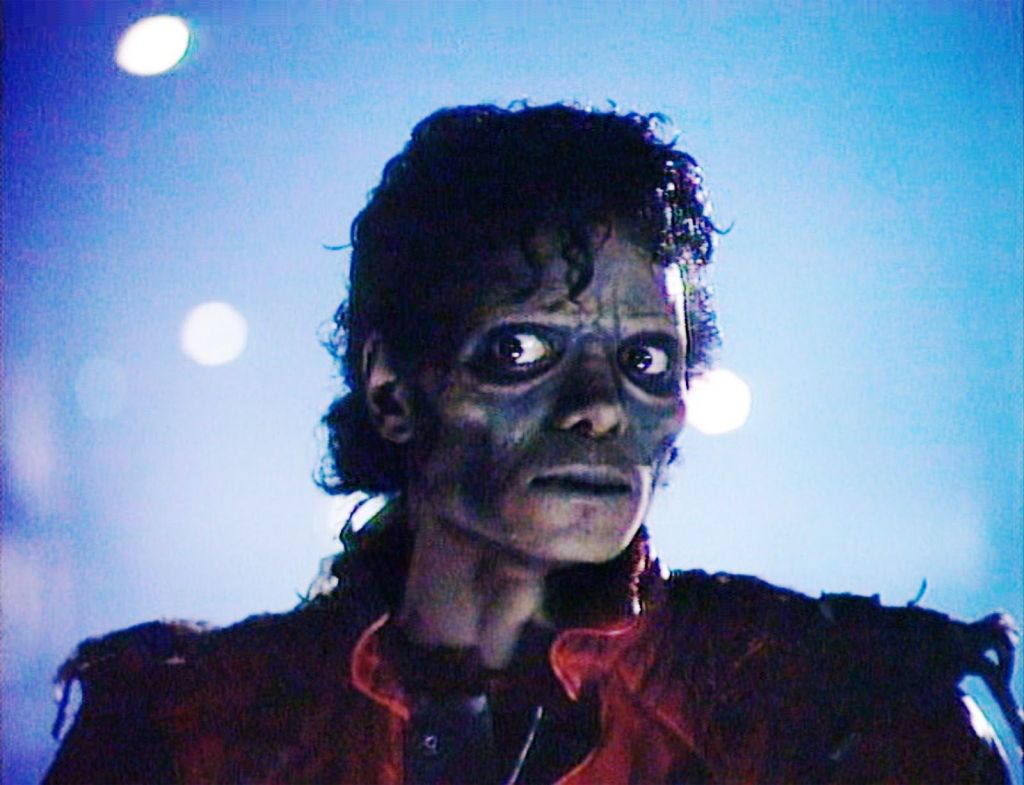
Horror even creeped its way into the music industry. Donned the ‘King of Pop’, Michael Jackson became the catalyst for a newfound appreciation of horror with his frighteningly entrancing video for his hit song “Thriller”, which became a timeless, classic Halloween-time tune. Josh Jones of Open Culture weighs in on what it is that has made “Thriller” so popular, writing that it is due to “the combination of good clean fun and perfectly-pitched camp horror.” Michael Jackson claimed that growing up he actually hated horror, yet went on to prove that horror can be fun-spirited.

Horror: A True Escapism

There is something hauntingly beautiful about fear. Whether brought on by a scary movie or a wicked haunted house, horror is universally prominent. Jerry Davich from Chicago Tribune examines that attractions such as annual haunted houses are of such high demand because, “If it’s a top-notch haunted house, we’re not thinking of anything else while we’re inside…Nothing but the fear that’s oozing through our minds. This is the true beauty of haunted houses…” He describes “this type of controlled fear as sheer escapism”, because this exhilaration allows us to escape the reality of our personal lives. While not everyone can agree to the notion that there is fun in fear, many have had the pleasure of experiencing a special euphoric escapism: the thrill of horror.

~~~

Happy Halloween!