
17

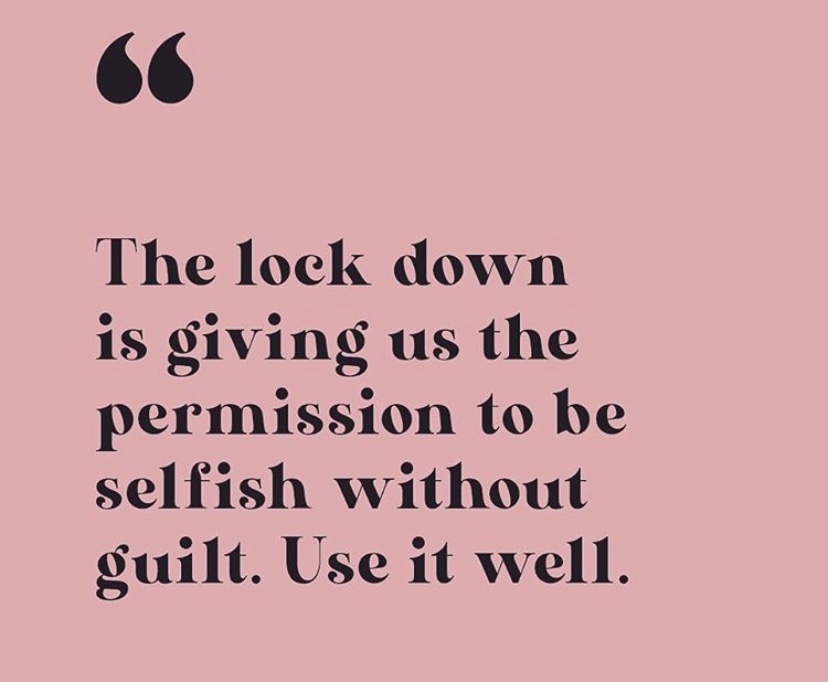
If you remember my very first blog post, I mentioned my interest in numerology and discussed the meaning behind the number 2020. 2020 represents introspection. It symbolizes internal peace and harmony, especially in the face of conflict. This year has surely had its challenges, especially within the past couple of months. But sticking true to its meaning, so far this year and this time of isolation has allowed ourselves an abundance of self-reflection. We have been given an opportunity to come out of this with newfound gratitude for life.
 I have recently looked toward another number for a sense of rationalization during such uncertain days, my personal favorite number, 17. Once again, the number’s meaning was reflective of the state of our world today. The number 17 symbolizes spiritual consciousness and wishes of peace and love for humanity. 17 is said to represent encouragement during major life-changing and routine-altering events.

Our daily routines have in fact been altered as we are unable to have typical large group gatherings while social distancing. Human interaction as we know it has had to be temporarily changed for our own safety during this pandemic. Change is necessary for our personal growth. We must utilize this period of self-reflection to find peace through overcoming these challenges. We must see these trials and tribulations as a chance to prevail and flourish. This time has allowed the world to come together with compassion for our neighbors. My hope is that we come out of this social distance with healthy bodies and clearer minds. 

Seemingly by pure coincidence, this happens to be my seventeenth blog post. I’m taking that as a sign, that together we will be resilient through adversity. So if you ever find yourself overwhelmed and dismayed by life’s hurdles, remember this post and remember my lucky number 17.

Netflix Pick: Crip Camp

From being confined to the four walls of our homes, if you’re like me, I’m sure you’ve binge watched just about everything on Netflix. Recently I’ve stumbled upon a documentary with an intriguing title, Crip Camp: A Disability Revolution. Little did I know it would hit so close to home with me.

Campers at summer camp, Camp Jened, located in New York

We all know figures such as Martin Luther King and Susan B. Anthony, but little is taught about the plight of another type of civil rights movement—the disability rights movement. This documentary begins in the 1970s and follows the journey of young disabled adults experiencing a summer camp like no other. While in the blissful, free-spirit era, campers forged friendships with those of a variety of disabilities and similar struggles while gaining the confidence to be more independent. These same peers soon became catalysts for the disabled community as they fought for their basic human rights that up until then had been neglected by society.

Section 504 of the Rehabilitation Act of 1973 stated that no program receiving federal funds could discriminate against people with disabilities. But the law was never truly enforced and there were never set regulations. By April 5, 1977 still no action from the political administration had been taken. So, without worries about the lack of necessities, especially of essential medical supplies, hundreds of people with various disabilities gathered and sat-in at HEW offices around the country to protest and demand that regulations be implemented. In the now famous San Francisco 504 sit-in, it lasted nearly a month. On April 28, 1977, the Section 504 regulations were finally signed. While this was a significant step in the right direction, the disabled community would still face public discrimination until more intensive protections were placed.

A little over a decade later, on March 12, 1990, a group of disabled individuals determined to be heard decided to take a more instantaneous, eye-opening approach to their protest. After it had been stalled for months, they hoped to encourage the passage of the Americans with Disabilities Act (ADA). This aimed at ending segregation of all disabled people, promising them equal societal opportunity. In what is known as the “Capitol Crawl”, many abandoned their crutches, wheelchairs, and other physically necessary medical equipment and began crawling up the stone steps of the Capitol building. Yet it wasn’t until four months later on July 26, 1990, that these efforts were deemed successful and the act was officially signed into law. Personally I credit the ADA for allowing me equal opportunity in places such as my previous public schools or for providing me wheelchair ramp access into many establishments. I thank these brave activists for fighting for the rights that I have today as a disabled person.

Inspiring images of the “Capitol Crawl” in Washington D. C.

While it’s easy to become distracted by Netflix’s guilty pleasures like Tiger King, during these grim days, I recommend taking the time to experience this uplifting story of these lesser known pivotal moments in American history.